.png)
In a world increasingly defined by the urgent need to address climate change, decarbonisation has emerged as a cornerstone of sustainable progress. The message is clear: by slashing CO₂ emissions, we’re not just fighting rising global temperatures, we’re paving the way for cleaner air, purer water, and healthier communities. It’s a vision that goes beyond environmentalism; it’s about creating a resilient, thriving planet for generations to come.
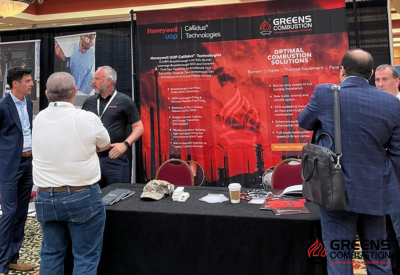
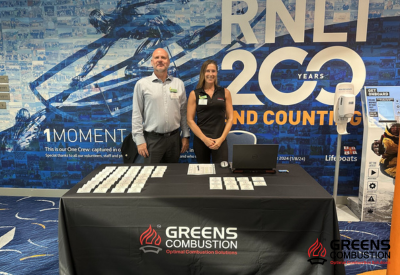
We recently had the privilege of attending the Decarbon2025 conference in Berlin, a two-day event that brought together industry leaders, innovators, and policymakers to dive deep into the practicalities of decarbonisation. The presentations were as inspiring as they were eye-opening, tackling everything from upstream and downstream production challenges to the economic implications for industries worldwide. It was a thought-provoking experience that underscored both the complexity and the necessity of this journey.
One of the key takeaways from the conference was how decarbonisation isn’t just a buzzword, it’s a multifaceted process that demands creative management across supply chains. Upstream, we’re talking about rethinking how raw materials are sourced and processed with minimal carbon impact. Downstream, it’s about ensuring that end products reach consumers in ways that align with sustainability goals. The discussions in Berlin highlighted innovative strategies to make this happen, from adopting renewable energy sources to streamlining logistics for lower emissions.
But let’s be real: decarbonisation isn’t without its hurdles. The economic angle was a hot topic at the conference, and for good reason. Transitioning to a low-carbon economy can mean upfront costs, shifts in workforce skills, and even disruptions to traditional business models. Yet, what stood out was the optimism. Speakers emphasised that these challenges are dwarfed by the long-term gains: energy efficiency, new market opportunities, and a stronger, more sustainable global economy.
At Greens, we’re proud to be part of this movement. Assisting industries on their decarbonisation journey isn’t just a job, it’s a commitment to building a world where progress doesn’t come at the expense of the planet. The Berlin conference was a reminder that while the road ahead may be complex, it’s also full of potential. Decarbonisation isn’t just crucial; it’s the foundation of a future we can all believe in.
What do you think? How can we balance the economic realities with the urgent need for sustainability? We’d love to hear your thoughts!




.png)